Before the Snow Landing
Off-snow infrastructure can support a deliberate programme. Its value comes from a defined purpose, specialist supervision and honest limits—not from a claim that repetition has become risk-free.
A facility is not a progression plan
Academy photographs often give preparation equipment a starring role. A more useful assessment begins with the programme: why is this environment being used, who decides whether an athlete participates and how does the coach review its contribution? A facility can provide opportunities for observation and repetition without being suitable for every athlete or every training objective. Its presence alone does not demonstrate an appropriate development pathway.
Ask whether sessions are delivered by academy staff, a specialist contractor or the facility operator. Those arrangements affect qualifications, communication and responsibility. Establish how relevant information moves between snow coaches and off-snow specialists, especially when programmes involve different sites. Families should not have to carry essential instructions between providers because nobody has agreed who coordinates the programme.
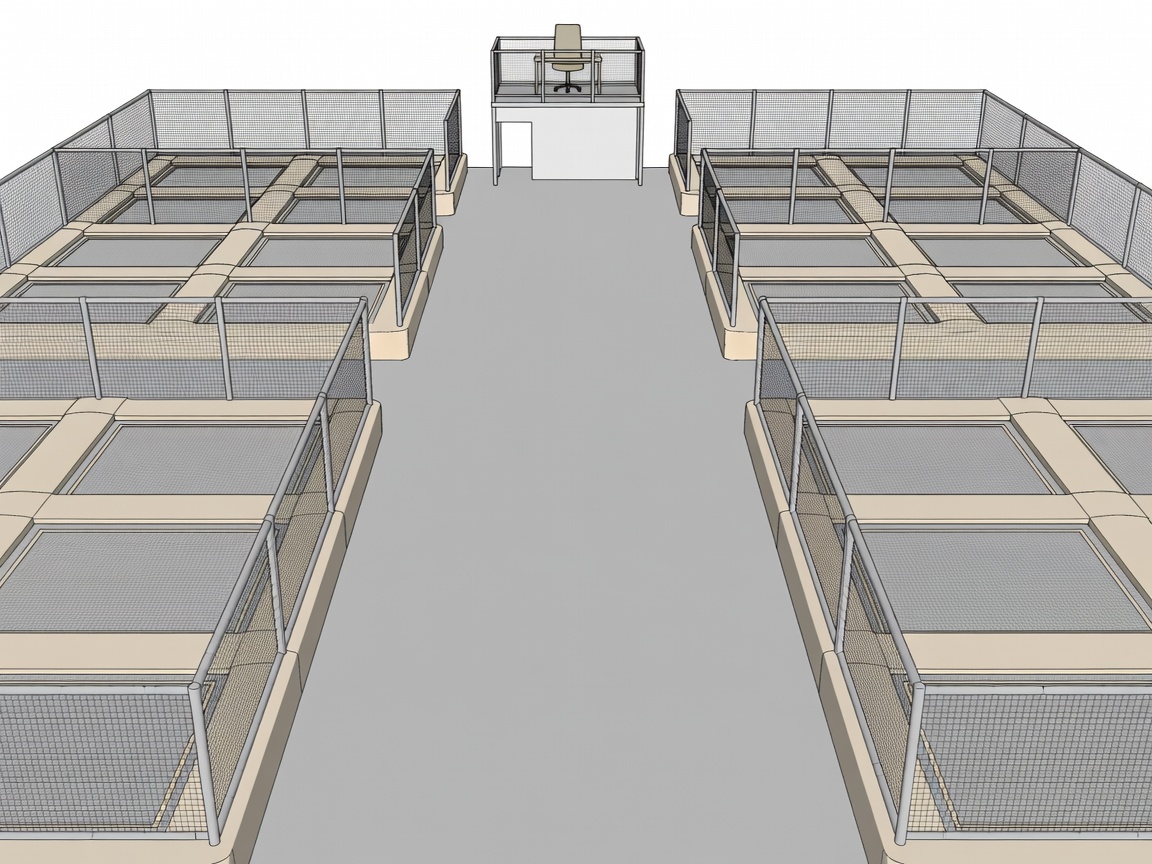
Understand the trampoline hall’s role
A structured trampoline environment can support coach-led movement preparation and observation. It is not the same service as an open recreational session. Ask about discipline-relevant staff competence, admission assessment, group organisation and how activity is separated within the hall. Equipment checks, incident reporting and clear stopping authority should be explainable without relying on vague assurances that everyone is experienced.
The hall’s physical environment matters too: visibility, circulation routes, waiting areas and the ability to communicate. A large room is not automatically a well-managed room. Ask how tiredness, distraction and changes in readiness are handled. Do not infer a universal session length or group size from another academy’s practice; the appropriate arrangement depends on the activity, participants and operating rules.
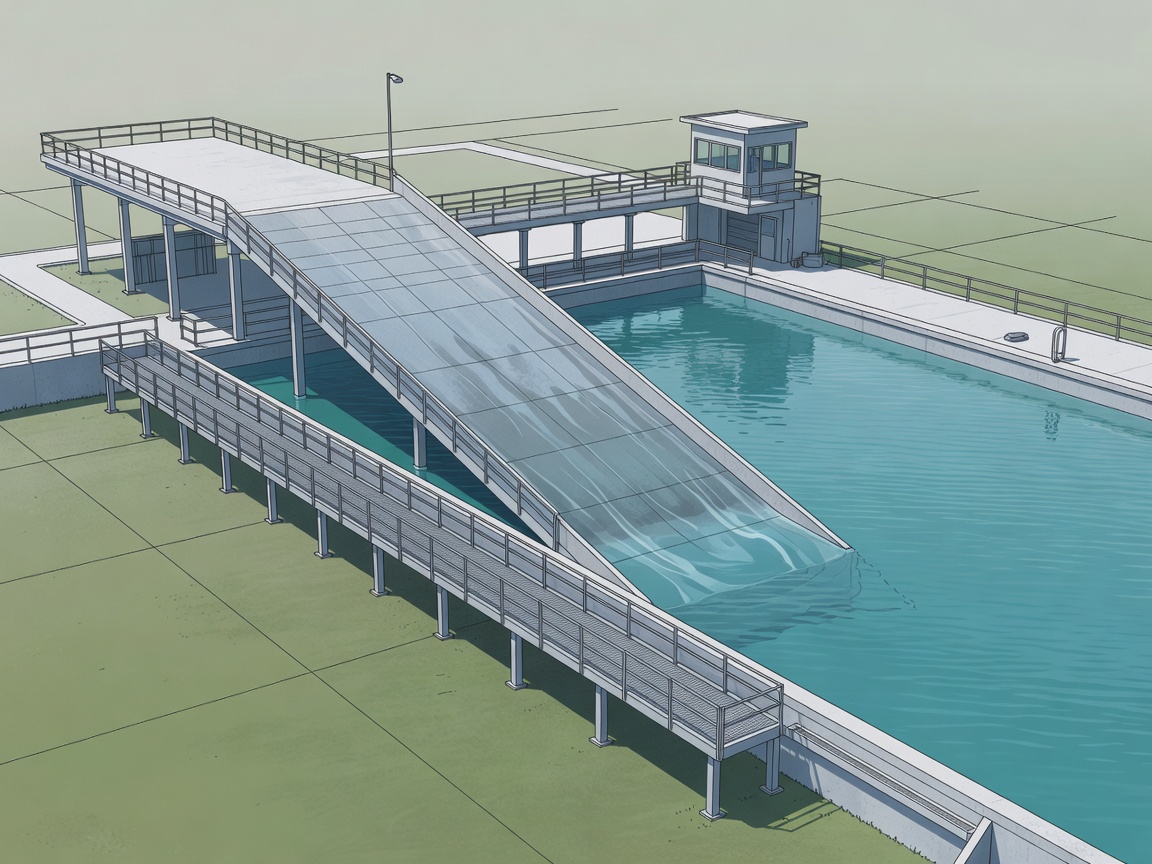
Read water ramps as complete sites
A water-ramp operation includes more than a ramp and pool. Access control, surface preparation, pool management, rescue arrangements and environmental conditions all form part of the setting. Ask which equipment is required, who supplies it and how admission is authorised. The operator should explain the session boundaries and response arrangements; this guide does not provide instructions for using a ramp.
Utah Olympic Park and the Lake Placid Olympic Jumping Complex are real examples of places associated with aerial training infrastructure. Their existence does not establish public access, academy affiliation or current operating conditions. Confirm the exact programme, booking conditions and suitability directly. Water entry differs substantially from a snow landing, so transfer between settings remains a coaching decision rather than an automatic next step.
Ask what “airbag access” actually means
Airbag systems vary in design and intended use. Do not treat the word as a single technical specification. Ask the operator what activities the installation is designed for, how its condition is monitored and who can authorise use. Weather, surface conditions, equipment requirements and maintenance can all restrict access. An academy should distinguish confirmed training arrangements from occasional or separately purchased sessions.
Landing on an airbag is not equivalent to landing on snow. The environment can alter the feedback an athlete receives, and injury remains possible. Avoid any provider claim that a piece of equipment guarantees confidence, competence or a particular outcome. More credible explanations describe a limited role within an individual programme and acknowledge when the facility is not appropriate.
Connect preparation without assuming equivalence
Useful records should explain the purpose of a preparation block, observations made and any changes to the wider plan. They do not need to turn every repetition into a public performance metric. Athletes should understand how to raise concerns, decline participation or report discomfort without pressure to protect a schedule. Parents should know who receives that information and how privacy is maintained.
National bodies such as U.S. Ski & Snowboard, Freestyle Canada and the Olympic Winter Institute of Australia provide context for organised winter-sport systems; they are not evidence that an unrelated commercial facility is approved. Check any claimed relationship directly. Continue with the support around flight to examine the people and services that connect these environments.