Does an airbag make training safe?
No. It changes the landing environment but does not remove injury risk. Supervision, operating limits and appropriate use still matter.
The visible moment is brief. The preparation around it is not. Understand competitive freestyle academies through their terrain, supervised preparation spaces, coaching systems and athlete services—not through a highlight reel.
Explore the Training EnvironmentsFor athletes, parents and coaches. Independent information, not individual training instructions.
Snow provides the discipline-specific setting. Off-snow spaces provide different opportunities to prepare, observe and condition. Neither tells the whole story on its own.
Moguls, aerials, halfpipe, slopestyle and ski cross place different demands on terrain and operations. Start with the discipline, then ask what the academy actually controls.
Read the snow environment guide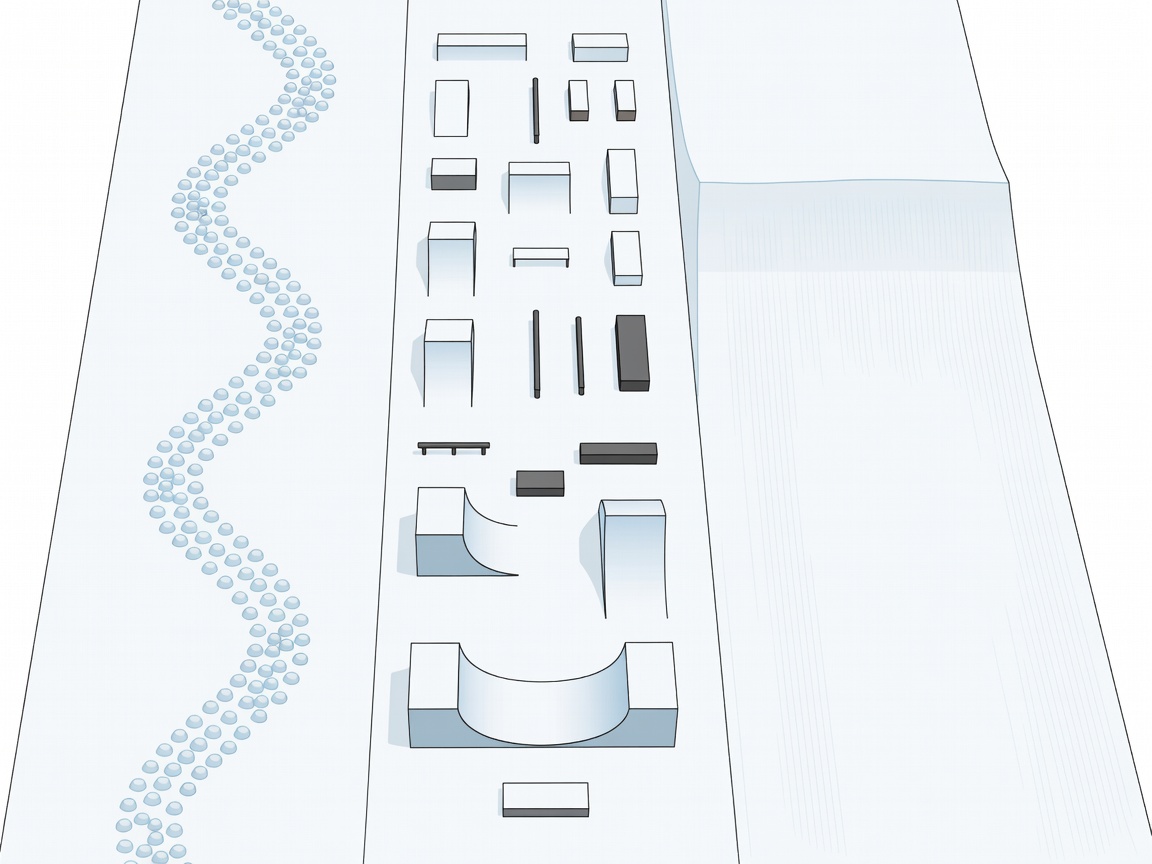
A trampoline hall, water ramp or airbag facility has a defined role. Its value depends on qualified supervision, maintenance, access rules and a clear reason for using it within the athlete’s wider programme.
Ask how sessions are planned, who authorises participation and what happens when conditions or readiness change.
Explore aerial preparation facilities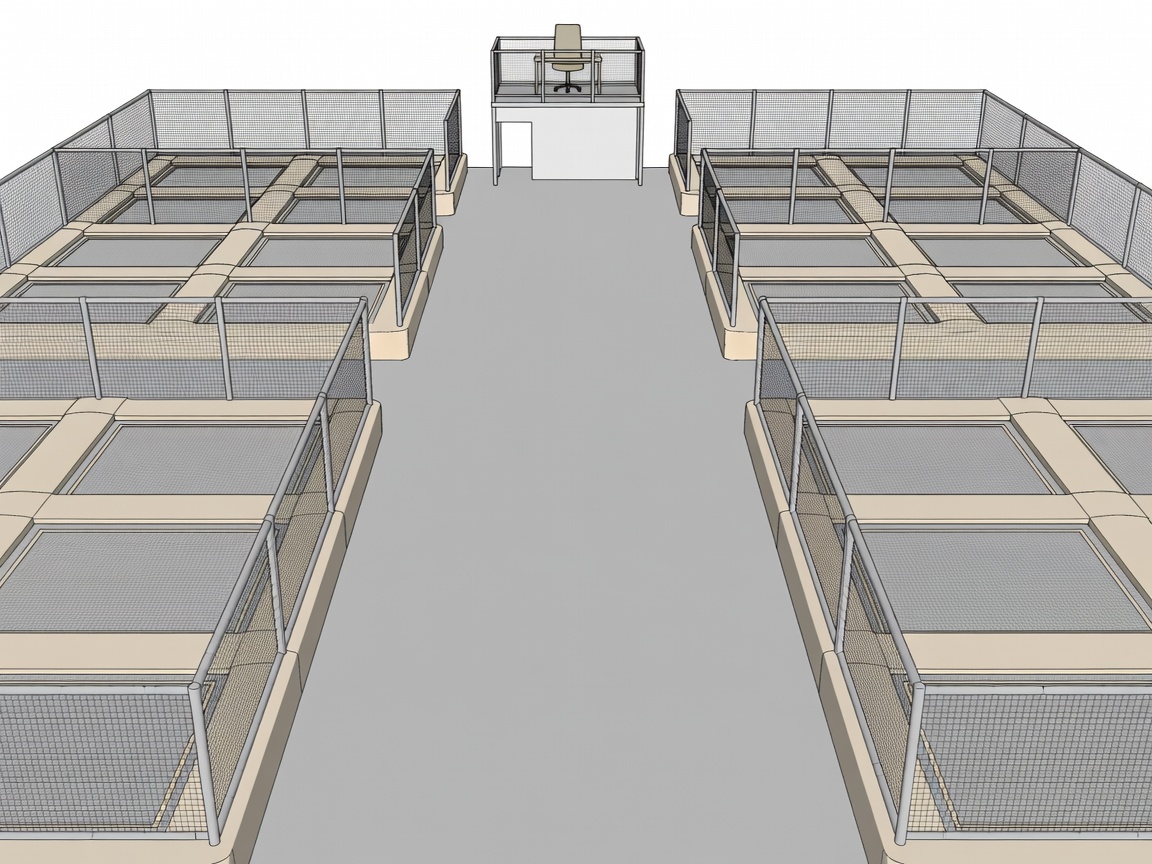
An academy also shapes travel, education, recovery and daily communication. A named safeguarding contact and a credible medical referral pathway matter as much as a polished training calendar.
Distinguish services delivered on site from those arranged externally, and both from services merely recommended to families.
Examine athlete support systems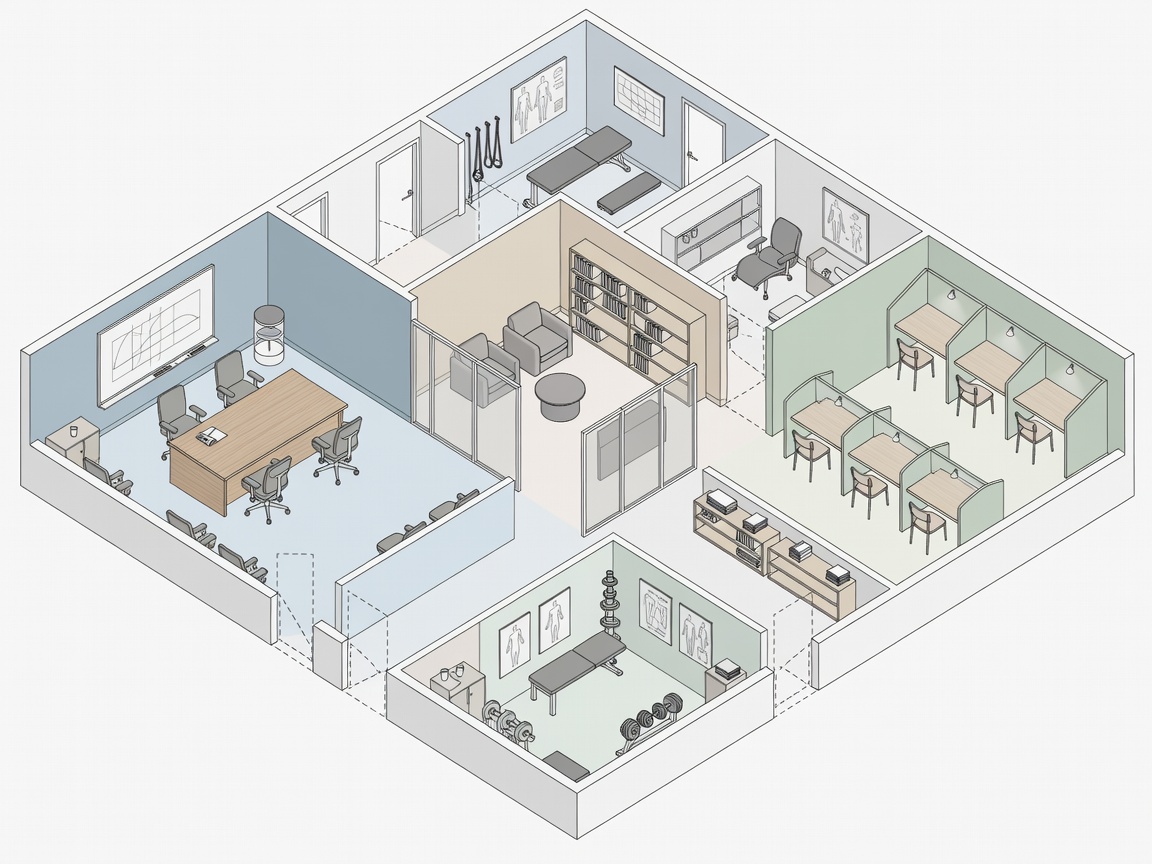
Do not score an academy by its largest feature. Compare written access arrangements, supervision, service delivery and disruption plans against your athlete’s actual needs.
No. It changes the landing environment but does not remove injury risk. Supervision, operating limits and appropriate use still matter.
No. Event eligibility, licences, selection rules and available places must be checked separately.
Ask for the actual contingency plan and what the contract says about substitutions, costs and refunds.
This manual explains categories of provision. It does not rank academies, certify facilities, provide manoeuvre tutorials or promise athletic outcomes. Examples identify real sporting organisations and locations, not commercial endorsements.
Access, programmes and policies change. Verify provider-specific information directly before making commitments. Read our editorial approach.
Your privacy choices Some cookies are needed for the site to work. Others help us understand how it is used. You can change your choice later. More about cookies